
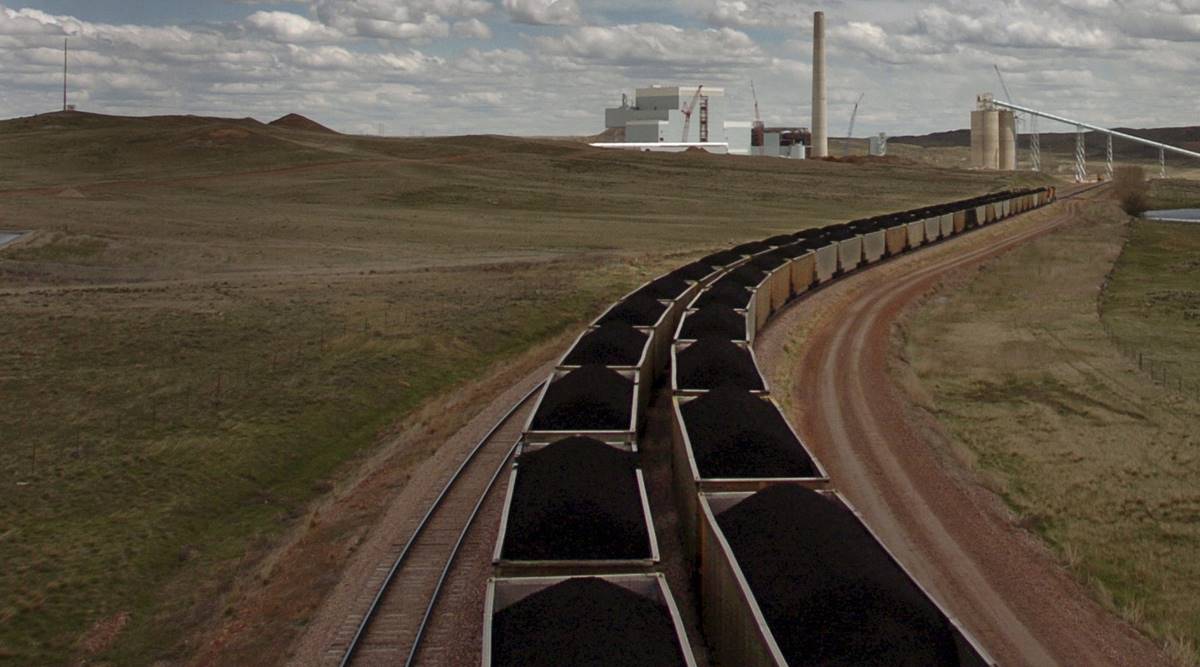
Assessing Thermal Coal Production Subsidies
Sign up today to download
the full report
There has been much discussion of fossil fuel subsidies as both an inefficient use of public tax dollars and a barrier to the scaling up of low- and no-carbon energy sources. As “green” incentives are reduced, the phase-out of fossil fuel subsidies becomes even more urgent in order to reduce market distortions and ensure a level playing field in energy markets.
Production subsidies summing up to:
- Nearly US$8 per tonne in the US Powder River Basin ($2.9b/year); and
- Nearly US$4 per tonne ($1.3b/year) in Australia.
- A 8%-29 % reduction in demand for US PRB coal, with associated cumulative reductions of 0.7 to 2.5 GtCO2 to 2035, equivalent to 9 to 32 coal plants.
- A 3%-7% reduction in demand for Australian Seaborne coal, though with unknown carbon reductions due to substitution of coal from other (often also-subsidized) producers.