
Login
Fuel Disclosure
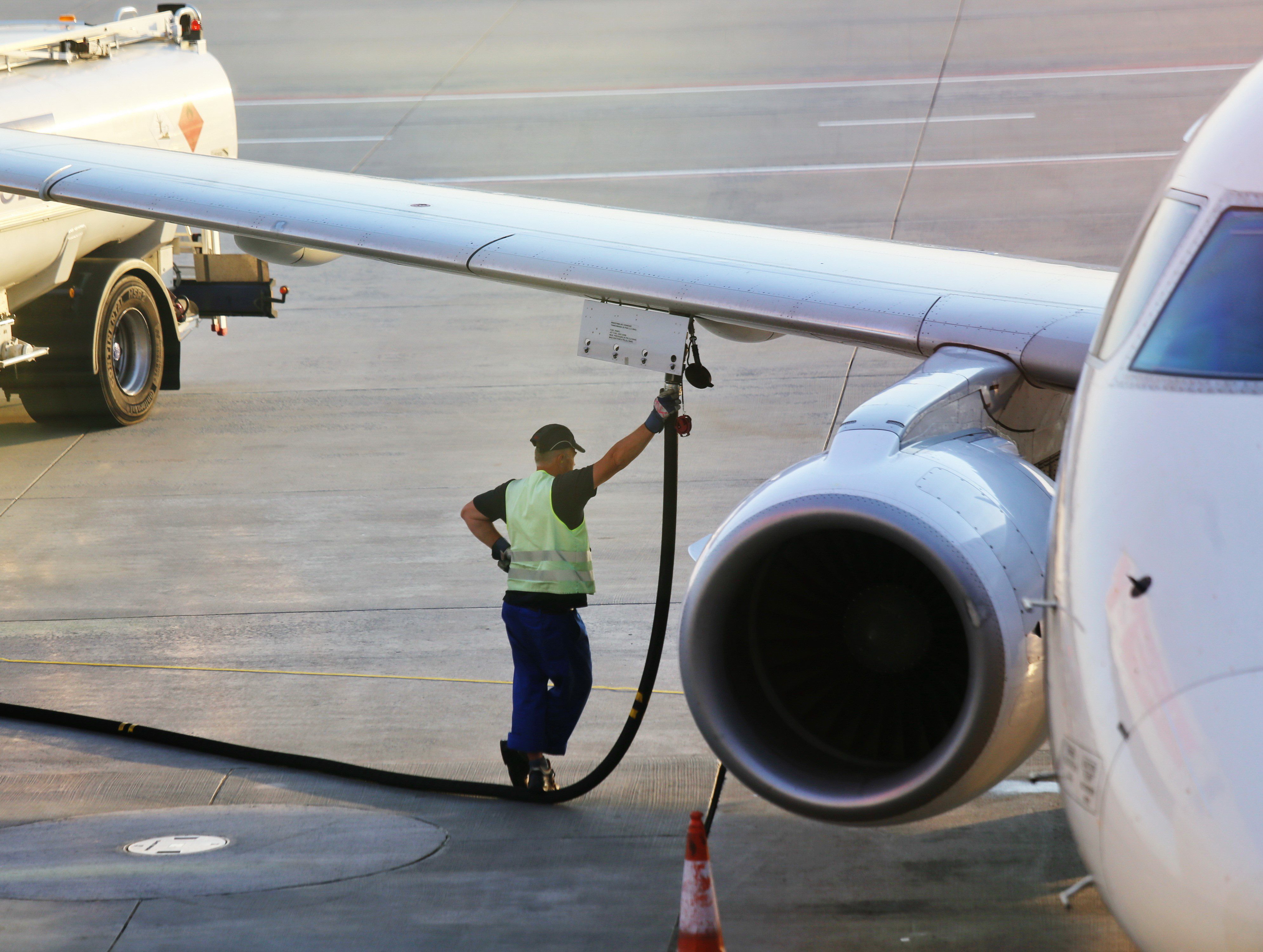
Sustainable. Abundant. Feasible – why SAF is unlikely to be all three at once.
Sign up today to download
the full report
Lorem ipsum dolor sit amet
Lorem ipsum dolor sit amet, consectetur adipiscing elit. Proin et tortor ut metus cursus rhoncus. In
condimentum, diam et luctus efficitur, tellus nisi sollicitudin leo, a tincidunt ante felis vel purus.
Praesent bibendum dui magna, placerat vulputate nisi ultrices sit amet. Orci varius natoque penatibus et
magnis dis parturient montes, nascetur ridiculus mus.
Donec aliquam nibh ac nibh tincidunt volutpat.
Aenean commodo massa hendrerit, efficitur turpis id, bibendum nisl. Duis cursus massa commodo mauris
luctus, non imperdiet felis convallis. Pellentesque dictum varius odio, sed lobortis enim lacinia
efficitur. Curabitur ultrices, eros sit amet hendrerit volutpat, eros tellus sagittis ipsum, sed
sollicitudin sem nisi et ex. Duis porta gravida convallis. Phasellus feugiat orci eu massa elementum
condimentum. Aenean aliquet turpis sit amet elit dignissim pharetra.
- Etiam mattis nulla neque, vitae consectetur lacus efficitur sit amet.
- Pellentesque maximus dignissim sapien, at tempus tellus. Vivamus imperdiet sem nunc, vel maximus mauris pharetra vulputate.
- Aenean blandit nisl tellus, vitae tristique enim fermentum sed. Aliquam mi est, aliquet non rutrum nec, imperdiet in sem.
- Nulla eleifend sollicitudin odio id hendrerit. Fusce fermentum congue lorem, non rutrum felis porttitor eu.
Proin consequat nisi nec neque volutpat, porta eleifend ex elementum.
Curabitur volutpat, quam eget efficitur mollis, enim lectus commodo ante, sit amet maximus elit orci ac
neque. Phasellus porttitor dictum est, non finibus nisl rhoncus eu. Aliquam sed leo quis velit
vestibulum mollis quis vel magna. In imperdiet tempor aliquet. Praesent hendrerit neque non leo feugiat,
non pretium sem venenatis.
Sed pulvinar lacus in justo hendrerit semper. Curabitur consectetur ullamcorper mauris, at luctus ligula
faucibus quis. Mauris eget erat aliquet, dictum magna a, consequat velit. Nam blandit tortor egestas
sagittis iaculis. Quisque et arcu at erat dapibus mattis. Nunc in metus cursus, euismod magna non,
dignissim augue. Nulla eleifend semper malesuada. Nulla facilisi. Vivamus ac ullamcorper nisl. Maecenas
nec lobortis neque. Ut nunc leo, mattis at blandit et, lobortis ultrices mi.
Vivamus sem ipsum, sodales vel eros id, euismod commodo diam. Mauris malesuada varius magna, at interdum
ante cursus at. Quisque ac risus dignissim, rhoncus arcu ut, iaculis elit. Aliquam luctus lorem vel
finibus scelerisque. Vestibulum at sem quis purus molestie finibus ac ut leo. Praesent semper ante
dolor, quis auctor erat tincidunt vitae. Aliquam erat volutpat. Praesent lacinia finibus ultrices.
Suspendisse porttitor augue quis mauris porta convallis at in est. Cras ipsum arcu, fermentum sit amet
pharetra in, dignissim sit amet mauris. Praesent dignissim pellentesque ante quis fringilla. Maecenas
nec est pretium, finibus lacus eu, pulvinar metus. In at diam non eros sagittis faucibus. Praesent eget
turpis augue. Sed eget auctor dui. Nam porttitor, nibh at mollis euismod, quam neque accumsan dui, vitae
pellentesque justo libero vitae nulla. Orci varius natoque penatibus et magnis dis parturient montes,
nascetur ridiculus mus. Suspendisse a mi id enim dapibus fermentum nec non tellus. Nulla facilisi.